Flower Guide by Color: An Overview
Exploring the vibrant world of flowers reveals a rich tapestry of color, each hue carrying unique symbolism and meaning throughout history and cultures․
From passionate reds to serene whites, understanding these floral messages enhances appreciation and allows for thoughtful gifting, expressing emotions with beautiful blooms․
Throughout history, flowers have transcended their aesthetic appeal, becoming potent symbols of emotions, beliefs, and cultural nuances․ The language of flowers, known as floriography, flourished in Victorian England, assigning specific meanings to each bloom and color․
This tradition, rooted in ancient civilizations like China, continues to influence how we perceive and utilize flowers today․ Colors aren’t arbitrary; red often signifies passion and love, while white embodies purity and sympathy․ Yellow radiates joy and friendship, and purple evokes royalty and admiration․
Understanding these symbolic associations adds depth to floral arrangements, transforming a simple bouquet into a meaningful expression of sentiment․ Choosing flowers based on color allows for nuanced communication, conveying messages beyond words․
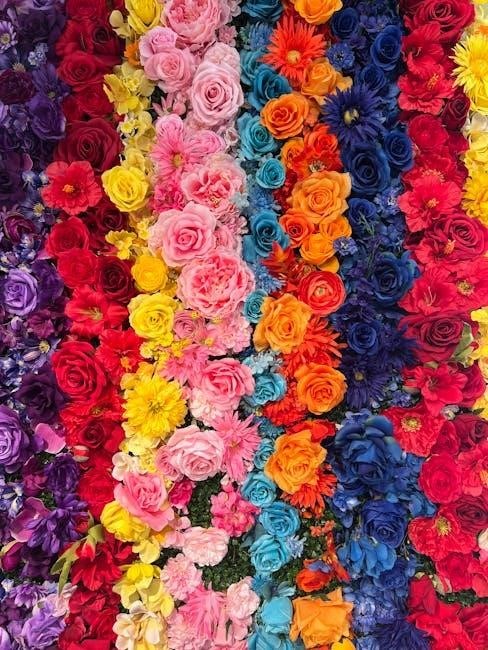
Red Flowers: Passion and Love
Red flowers universally represent deep emotions – passionate love, desire, and respect․ They symbolize courage and are often associated with romance and intense feelings․
Classic Red Roses: Meaning and Varieties
Red roses are the quintessential symbol of love and romance, deeply ingrained in cultural traditions worldwide․ Their meaning extends beyond simple affection, encompassing passion, respect, and courage․
Numerous varieties exist, each with subtle nuances․ The ‘Crimson Glory’ boasts a velvety texture and intense fragrance, while ‘Mr․ Lincoln’ offers a classic, high-centered bloom․ ‘Freedom’ roses are known for their vibrant color and long vase life, making them popular for gifting․
Different shades of red also convey varying degrees of emotion; deep burgundy suggests unconscious beauty, while brighter reds express passionate desire․ Presenting red roses is a timeless gesture, communicating heartfelt sentiments with enduring elegance․
Carnations in Red: A Deeper Significance
While often overshadowed by roses, red carnations possess a profound and layered symbolism, extending beyond mere admiration․ Historically, they represent deep love, affection, and gratitude, making them a thoughtful gift for cherished relationships․
However, red carnations also carry a nuance of wishing someone luck, and can even signify a heartfelt apology․ This complexity makes them a versatile choice for various occasions․ Different varieties, like standard or spray carnations, offer varied visual impact․
Their ruffled petals and clove-like scent add to their charm․ Red carnations are a durable and affordable option, allowing you to express sincere emotions without extravagance․
Other Red Blooms: Poppies and Geraniums
Beyond the classic rose and carnation, several other red blooms powerfully convey passion and remembrance․ Poppies, particularly the vibrant red field poppy, symbolize remembrance and respect, often associated with honoring fallen soldiers – a poignant and deeply moving meaning․
Red geraniums, with their bold color and rounded blooms, represent comfort and genuine affection․ They are often gifted to express heartfelt sympathy or to brighten someone’s day with a cheerful gesture․
These flowers offer alternatives to traditional red choices, providing unique expressions of love and emotion․ Their distinct shapes and textures add visual interest to any floral arrangement․
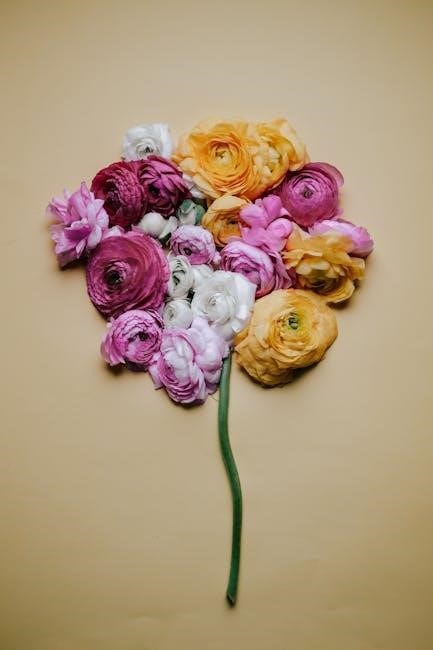
Yellow Flowers: Joy and Friendship
Radiant yellow flowers universally symbolize happiness, optimism, and strong friendships․ They embody warmth and positivity, making them perfect for cheering someone up or celebrating life’s joys․
Sunflowers: Symbolism and Cultural Relevance
Sunflowers, with their bold faces and sunny disposition, are iconic symbols of adoration, loyalty, and longevity․ Historically, in ancient China, they represented the sun itself, symbolizing power and vitality․
Across cultures, sunflowers often signify unwavering faith and steadfastness, due to their heliotropic nature – following the sun’s journey across the sky․ This characteristic has led to associations with constancy and enduring affection․
In modern times, sunflowers continue to represent warmth and happiness, frequently gifted to express cheerful sentiments․ Their vibrant color and large size make them a striking addition to any bouquet, embodying positivity and a bright outlook on life․ They are a truly uplifting bloom!
Daffodils: Representing New Beginnings
Daffodils, heralds of spring, are powerfully symbolic of rebirth, renewal, and the promise of fresh starts․ Their emergence after winter signifies overcoming challenges and embracing new opportunities, making them a popular gift for those embarking on a new chapter․
Historically, daffodils have been associated with hope and resilience․ In Victorian times, they represented regard and chivalry, often given as tokens of esteem․
The bright yellow hue further reinforces their association with joy and optimism․ Beyond personal milestones, daffodils also symbolize overcoming adversity and finding strength within․ They are a cheerful reminder that even after darkness, brighter days will bloom, offering a beacon of positivity․
Yellow Tulips: Cheerful Expressions
Radiant yellow tulips are universally recognized as symbols of cheerfulness, sunshine, and positive energy․ They embody feelings of happiness, hope, and friendship, making them a delightful gift to brighten someone’s day and lift their spirits․
Unlike some floral meanings steeped in complex history, yellow tulips generally maintain a consistent message of joy․ They are perfect for expressing gratitude, offering encouragement, or simply spreading a little sunshine․
Their vibrant color evokes warmth and optimism, creating an instant mood boost․ Presenting yellow tulips signifies a genuine desire to bring happiness to the recipient, fostering a sense of connection and goodwill․ They are a simple yet powerful way to communicate positive emotions․
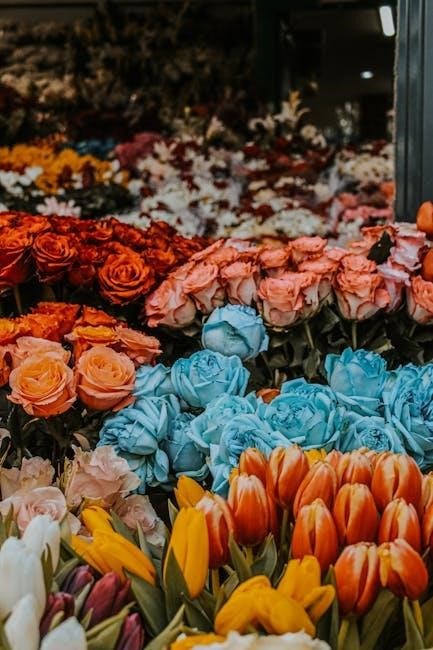
White Flowers: Purity and Sympathy
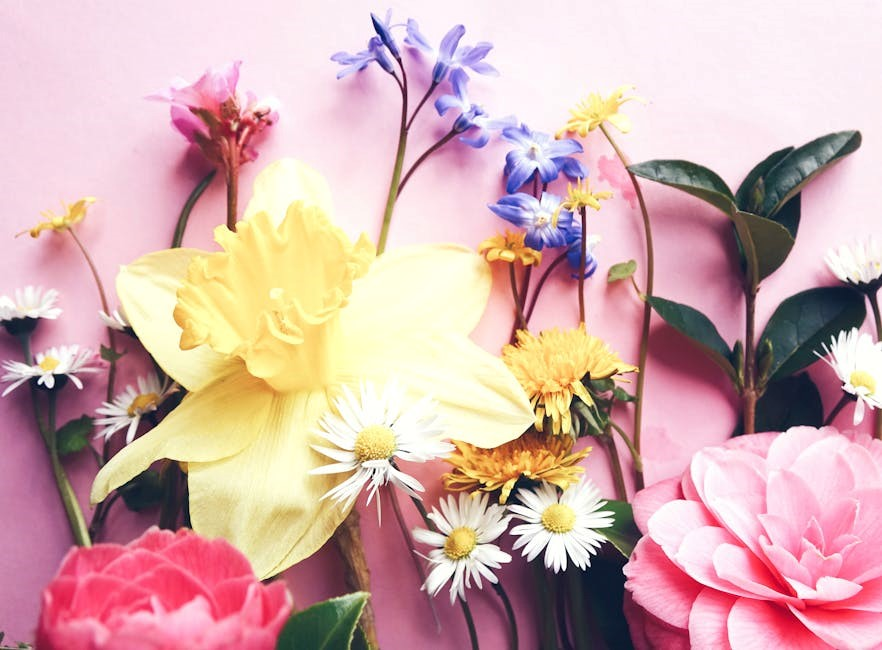
Elegant white flowers traditionally represent purity, innocence, and sympathy․ They are frequently used in weddings to symbolize new beginnings and honest love․
White Lilies: Funeral and Wedding Traditions
White lilies hold a prominent place in both celebratory and somber occasions, deeply rooted in cultural traditions․ Their association with funerals stems from their symbolism of sympathy, conveying peace and remembrance to grieving hearts․
Conversely, white lilies are a staple in wedding bouquets, representing purity of heart and a fresh start for the couple embarking on their new life together․ This duality highlights the lily’s versatile meaning – a symbol of both loss and new beginnings․
The fragrant bloom’s elegant appearance further solidifies its role in these significant life events, offering a visual and olfactory expression of respect, love, and hope․ They truly embody a spectrum of emotions․
White Roses: Innocence and New Life
White roses are universally recognized as emblems of purity, innocence, and new beginnings, making them incredibly popular choices for significant life events․ Traditionally, they symbolize a heart overflowing with sincere emotion and are often associated with young love․
Within wedding ceremonies, white roses represent a couple’s commitment to a pure and lasting union, signifying a fresh start and unwavering devotion․ Beyond romance, they also convey respect and remembrance, frequently appearing in sympathy arrangements․
The pristine beauty of the white rose embodies hope and renewal, offering a visual representation of optimism and the promise of a brighter future․ Their timeless elegance ensures their continued popularity․
Other White Flowers: Baby’s Breath and Gardenias
Beyond roses and lilies, several other white blooms carry distinct meanings and add delicate beauty to floral arrangements․ Baby’s breath, with its tiny, clustered blossoms, symbolizes everlasting love and purity, often used as a filler to enhance other flowers’ impact․
Gardenias, known for their intoxicating fragrance and creamy petals, represent purity, joy, and refinement․ They often convey secret love and are associated with elegance and grace․ Their strong scent adds a luxurious touch to bouquets․
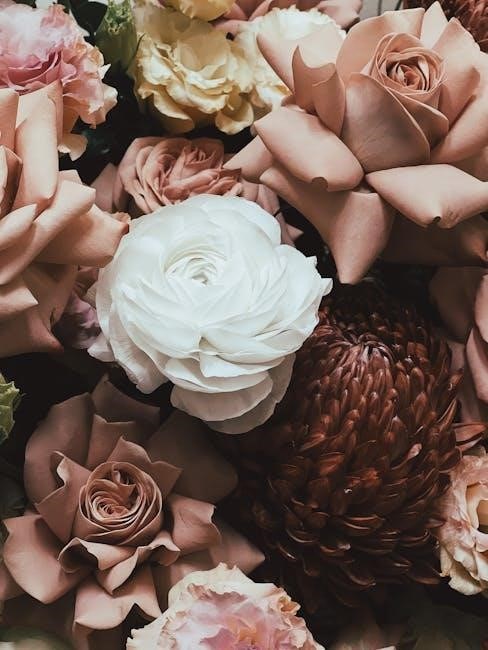
These white flowers, while differing in appearance, share the common thread of symbolizing sincerity and heartfelt emotions, making them versatile choices for various occasions․
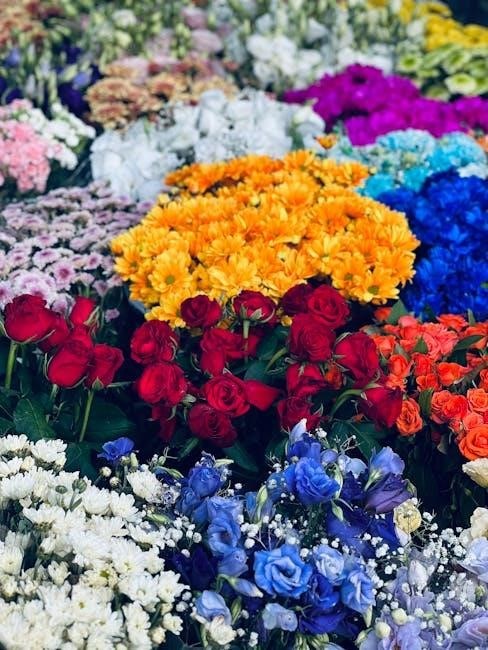
Orange Flowers: Enthusiasm and Energy
Radiant orange flowers embody joy, warmth, and enthusiasm, igniting feelings of excitement and creativity․ They represent energy and are perfect for expressing cheerful sentiments․
Marigolds: Symbolism and Uses
Marigolds, with their vibrant hues of orange and yellow, are more than just cheerful garden additions; they carry a wealth of symbolism and practical uses․ Traditionally, marigolds represent joy, positivity, and creativity, making them excellent gifts to brighten someone’s day or celebrate life’s happy moments․
Throughout history, these flowers have been associated with the sun, embodying warmth and long-lasting affection․ Beyond their aesthetic appeal, marigolds have been utilized for medicinal purposes and even as a natural dye․ In some cultures, they’re used in religious ceremonies and festivals, symbolizing prosperity and good fortune․
Their robust nature and ease of growth make them a popular choice for gardeners, while their vibrant color adds a lively touch to any floral arrangement․ Marigolds truly are a versatile and meaningful bloom!
Zinnias: Vibrant and Playful
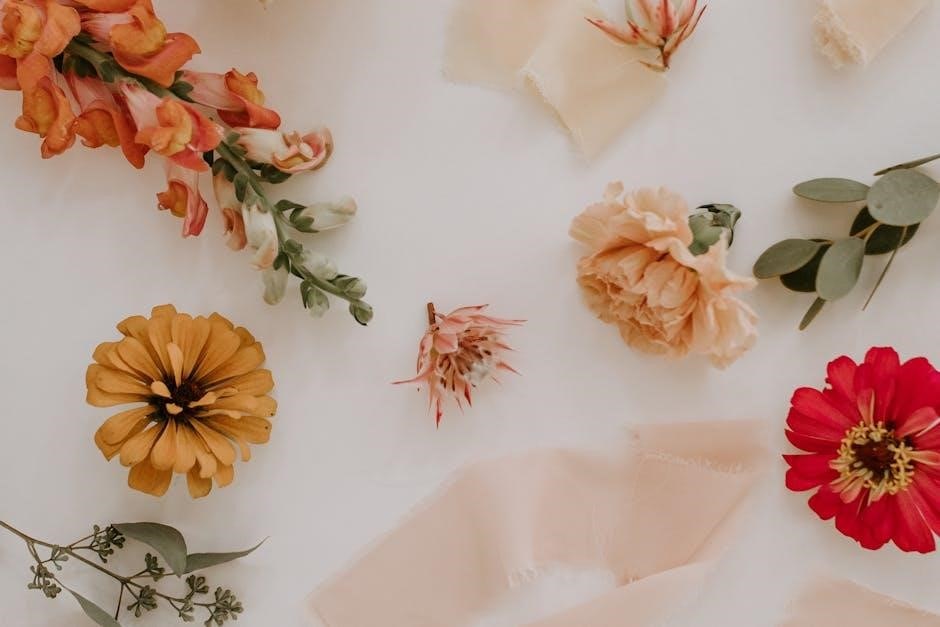
Zinnias burst onto the scene with a kaleidoscope of colors, embodying a playful and cheerful spirit․ These vibrant blooms symbolize lasting affection, remembrance, and thoughts of absent friends, making them a thoughtful gift to show you care․ Their bold hues and daisy-like form add a touch of whimsy to any garden or bouquet․
Zinnias represent joy and optimism, reflecting a sunny disposition and a zest for life․ They are known for their longevity as cut flowers, continuing to brighten spaces for extended periods․ Easy to grow and available in a wide range of shades, zinnias are a favorite among gardeners of all levels․
Their playful nature makes them perfect for informal arrangements and adding a pop of color to any occasion!
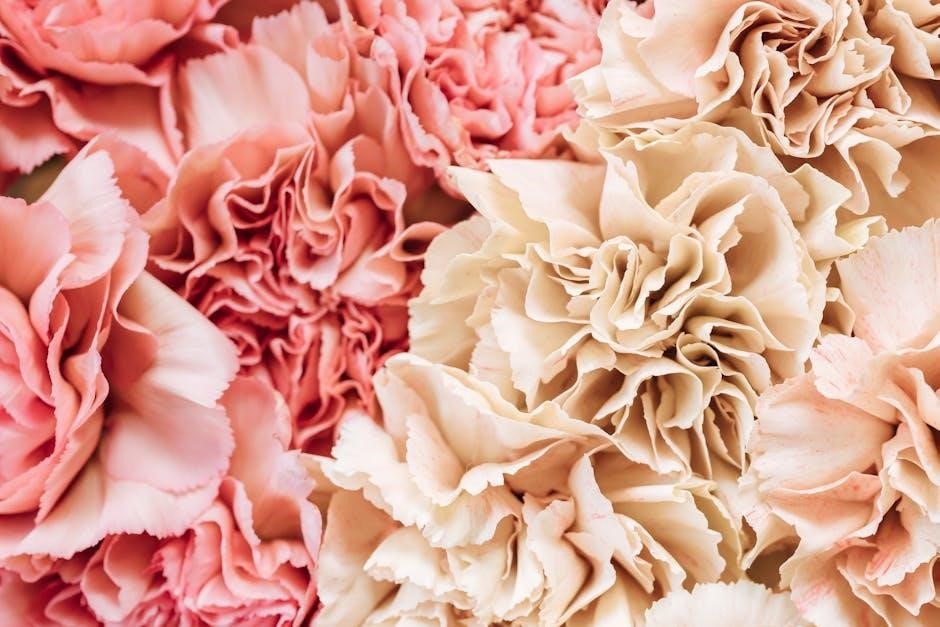
Black Flowers: Mystery and Elegance
Rare and captivating, black flowers symbolize mystery, power, and sophistication, often conveying a sense of uniqueness and strength through their dramatic hue․
Black Roses: Symbolism and Rarity
Truly black roses don’t occur naturally; the blooms are typically a very dark shade of red or purple, lending them an air of mystique and intrigue․ These captivating flowers symbolize death, farewell, and rebirth, often associated with mourning and remembrance․
However, they also represent resistance and rebellion, embodying a powerful statement against convention․ Their rarity contributes to their allure, making them highly sought after for expressing unique and complex emotions․
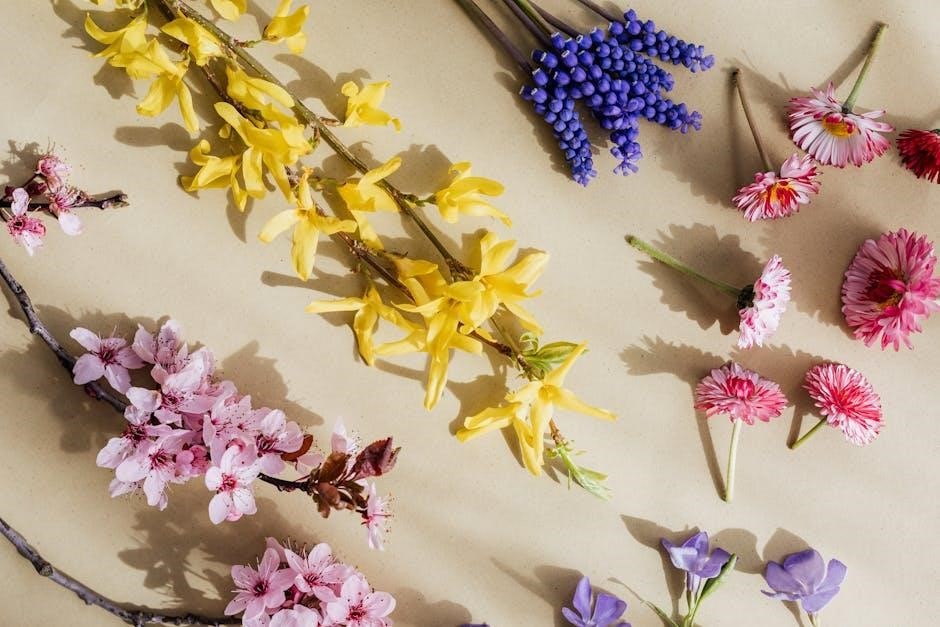
Presenting black roses can signify a final goodbye, or a profound and enduring love that transcends boundaries․ They are a bold choice, conveying a message of depth and intensity, far removed from traditional romantic gestures․
Black Callas: Aristocracy and Individuality
The black Calla Lily, with its striking dark hue, exudes an aura of sophistication and elegance, historically linked to aristocracy and refined taste․ These dramatic blooms symbolize mystery and individuality, making a bold statement wherever they appear․
Often chosen for funerals, black callas represent sympathy and strength during times of grief, offering a dignified expression of loss․ However, they also signify uniqueness and self-assuredness, perfect for celebrating someone who dares to be different․
Their sleek, sculptural form adds a touch of modern artistry to any arrangement, conveying a sense of power and understated glamour․ They are a captivating choice for those who appreciate the unconventional․
Black Tulips: Power and Sophistication
Rare and captivating, black tulips are not naturally occurring, often achieved through breeding or dyeing, instantly conveying a sense of power and exclusivity․ Their deep, velvety hue embodies sophistication and a touch of the mysterious, setting them apart from traditional floral choices․
Symbolizing strength and uniqueness, these striking blooms are perfect for expressing admiration for someone who is bold and unconventional․ They represent a departure from the ordinary, a statement of individuality and refined taste․
Black tulips add a dramatic flair to any arrangement, suggesting a confident and alluring presence․ They are a truly unforgettable gift, embodying both elegance and a hint of intrigue․
Purple Flowers: Royalty and Admiration
Historically associated with royalty and nobility, purple flowers evoke feelings of admiration, respect, and dignity, offering a sense of luxury and enchantment․
Lavender: Calm and Serenity
Lavender, with its delicate purple hues and soothing fragrance, is universally recognized for its calming and serene qualities․ This beautiful flower embodies tranquility, grace, and devotion, making it a popular choice for promoting relaxation and peacefulness․
Beyond its aesthetic appeal, lavender has a rich history of use in aromatherapy and traditional medicine, believed to alleviate stress and anxiety․ Gifting lavender symbolizes serenity and a wish for peaceful moments․
Its gentle color and aroma create a sense of calm, making it ideal for bedrooms, spas, or as a thoughtful gesture to someone needing a moment of respite․ Lavender truly represents a haven of tranquility․
Violets: Modesty and Loyalty
Violets, with their charming, petite blooms in shades of purple, have long symbolized modesty, faithfulness, and enduring love․ These delicate flowers carry a quiet elegance, representing humility and virtue, often associated with hidden beauty and secret admiration․
Historically, violets were emblems of loyalty and devotion, frequently exchanged between lovers as a token of their unwavering commitment․ They also represent remembrance and lasting affection, making them a poignant choice for expressing heartfelt sentiments․
Presenting violets conveys a message of sincere affection and steadfast loyalty, a subtle yet powerful expression of deep connection and enduring love․ Their understated beauty speaks volumes․