Overview of 5-Speed and 6-Speed Manual Transmissions
5‑speed manuals offer fewer ratios‚ simpler design‚ and lighter weight‚ while 6‑speed units add an extra gear for smoother acceleration and better fuel economy. The extra gear allows tighter spacing‚ improving power delivery and reducing engine RPM at highway speeds. Gear spread boosts efficiency.
Definition and Basic Functionality
A manual transmission‚ also known as a stick shift‚ is a gearbox that requires the driver to manually select gears using a clutch pedal and gear lever. The components—clutch‚ gear sets‚ synchronizers‚ and shift fork—work together to translate engine torque into wheel motion. In a 5‑speed unit‚ the gear ratios are typically spaced to balance acceleration and top‑speed performance‚ often with a 4th gear as the “over‑drive” step. A 6‑speed adds a lower‑ratio 2nd gear and a higher‑ratio 5th gear‚ providing spacing that improves acceleration‚ reduces engine RPM at cruising speeds‚ and can lower fuel consumption. The additional gear also allows manufacturers to fine‑tune torque curves for specific engines‚ such as the 3.7‑liter Chevrolet LS1 paired with a Tremec T56‚ which benefits from a lower differential ratio when using a 6‑speed. Drivers experience shifts‚ especially in spirited driving‚ because the gear jumps are smaller. However‚ the mechanical complexity and weight increase slightly‚ and the clutch must endure engagement. Overall‚ the fundamental operation remains the same: the engages the clutch‚ selects a gear‚ and the transmission transmits power to the drivetrain.
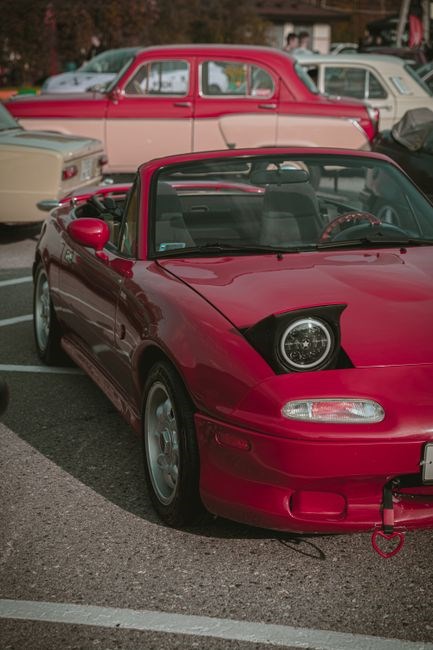
Gear Ratio Analysis Between 5-Speed and 6-Speed
5‑speed gear sets often use ratios such as 3.5:1‚ 2.0:1‚ 1.4:1‚ 1.0:1‚ 0.8:1. A 6‑speed adds 1.6:1 and 0.7:1‚ tightening spacing for smoother acceleration and lower RPM at cruising speeds. Differential ratios are adjusted to match the extra gear. It grants smoother power delivery across all RPM ranges
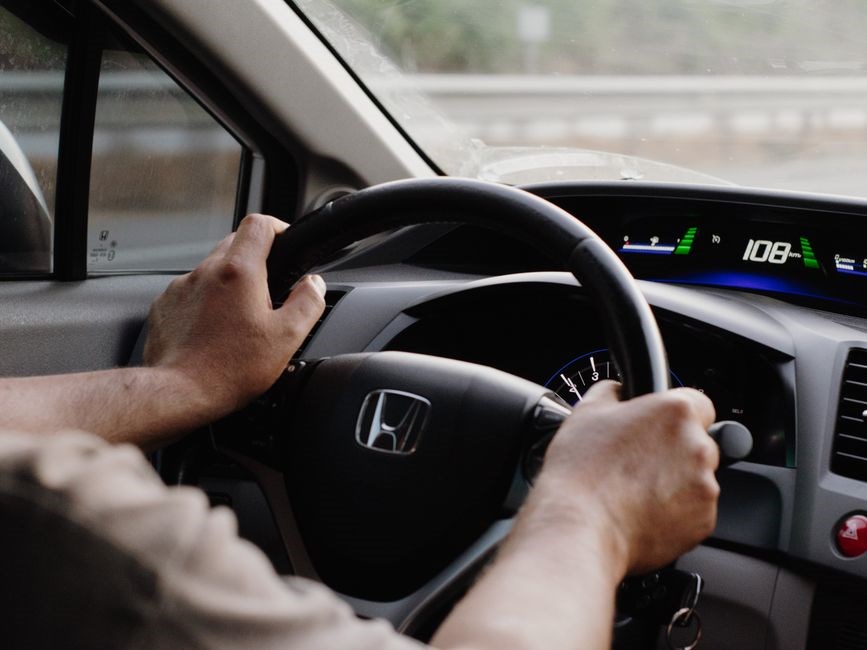
Typical Gear Ratios and Differential Requirements
Typical 5‑speed manual gearsets use ratios such as 3.50:1‚ 2.00:1‚ 1.40:1‚ 1.00:1‚ and 0.80:1. The 6‑speed adds a 1.60:1 and 0.70:1‚ creating tighter spacing that smooths acceleration and reduces engine RPM at cruising speeds. Differential ratios are tuned to match the gear spread. A common 5‑speed setup pairs a 3.46:1 final‑drive‚ whereas a 6‑speed often requires a lower 3.91:1 or 4.10:1 to keep the 6th gear within the engine’s optimal power band. The extra gear allows the transmission to maintain a lower differential ratio while still providing a useful over‑drive‚ improving fuel economy without sacrificing performance. In high‑output engines‚ the 6‑speed’s tighter ratios can also reduce clutch wear by keeping the clutch in a narrower RPM window during gear changes. The choice of differential ratio directly influences the overall gear ratio product‚ determining top speed and acceleration characteristics. Engineers balance these ratios to match the vehicle’s intended use‚ whether it’s a compact car‚ a sports sedan‚ or a heavy‑duty truck. The result is a transmission that delivers the desired power‑to‑weight ratio‚ drivability‚ and efficiency. Manufacturers often select a 5‑speed for cost‑sensitive models‚ while a 6‑speed is favored in performance packages to provide a more linear torque curve. The 6‑speed’s additional gear also allows a lower final drive in high‑torque applications‚ which can help keep the engine in its sweet spot during spirited driving. Drivers feel the difference during spirited highway runs today!!
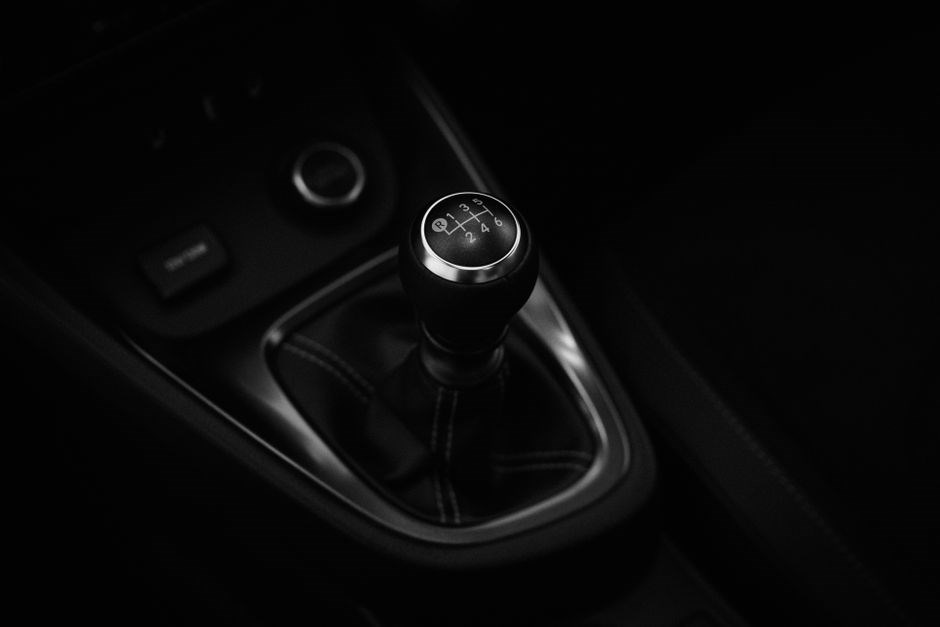
Performance Implications for Acceleration and Power Delivery
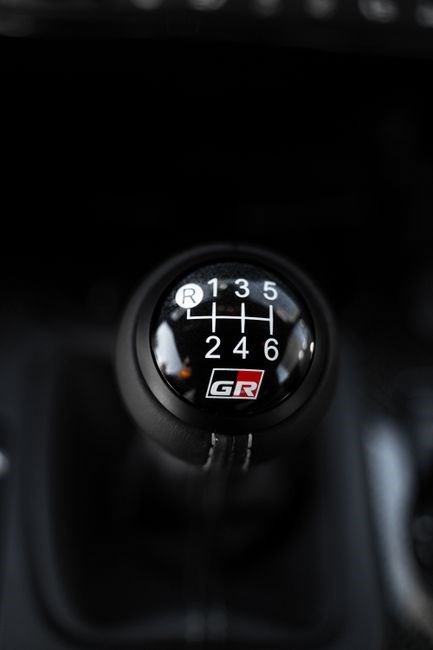
6‑speed manuals offer tighter gear spacing‚ enabling smoother acceleration and better power delivery. The extra gear keeps the engine in its optimal torque band‚ reducing RPM spikes and improving throttle response. 5‑speed units have wider gaps‚ causing more noticeable shifts. Better throttle feel
Acceleration Benefits and Gear Selection
A 6‑speed manual offers a finer gear ratio spread‚ allowing the driver to keep the engine within its peak torque band during acceleration. The additional gear reduces the jump between 5th and 6th‚ enabling a smoother transition to over‑drive and lower engine RPM at cruising speeds. This translates to better throttle response and a more linear power delivery. In contrast‚ a 5‑speed unit has wider gaps; the jump from 4th to 5th can push the engine out of its optimal range‚ especially in high‑torque engines such as the 7‑liter LS1 paired with a T56 6‑speed. Drivers report that the 6‑speed’s tighter ratios provide a noticeable “lift” in acceleration‚ particularly when launching from a stop or climbing a hill. Gear selection also matters: with a 6‑speed‚ the first four gears are often closer together‚ giving more options for low‑speed torque‚ while the 5th and 6th are spaced to keep the engine in efficient RPMs. This design reduces the need for high revs to maintain speed‚ improving both performance and economy. Overall‚ the 6‑speed’s ability to keep the engine in its sweet spot gives it an edge in acceleration and power delivery over a 5‑speed.
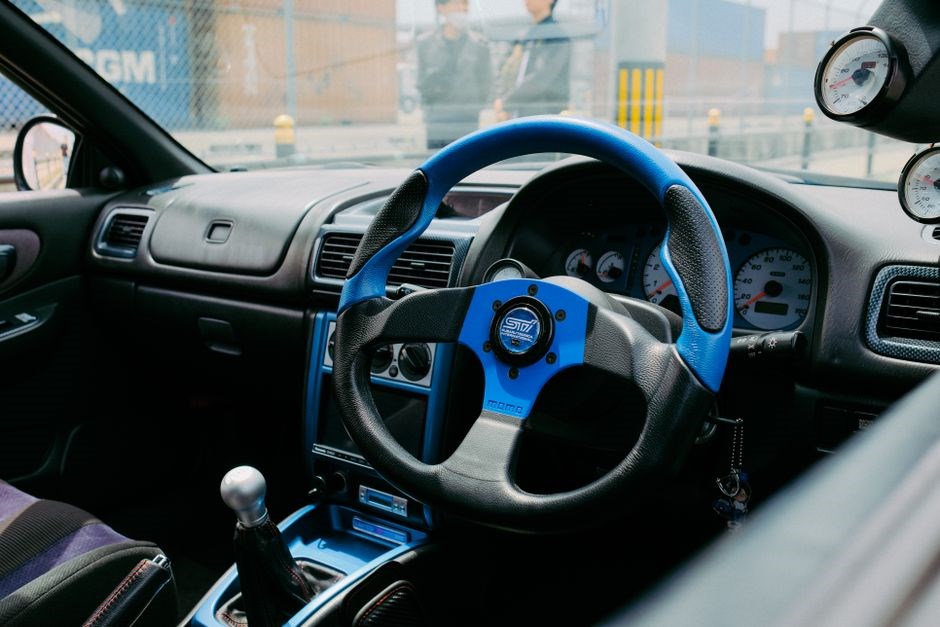
Additionally‚ the 6‑speed’s lower final drive ratios can be paired with a higher differential to further enhance acceleration. Many enthusiasts note that the 6‑speed’s over‑drive gear (often 0.70:1) allows for lower engine RPM at highway speeds‚ preserving power for spirited driving. The 5‑speed’s over‑drive‚ if present‚ is usually 0.75:1‚ which is less efficient; The result is that a 6‑speed can accelerate faster from 0‑60 mph in many cases‚ especially when combined with a suitable gear selection strategy that keeps the engine near its peak torque curve. Drivers who prefer a “sporty” feel often choose a 6‑speed for its more responsive shifting and better acceleration profile‚ whereas those prioritizing simplicity may opt for a 5‑speed.
In practice‚ the difference is most noticeable in high‑power vehicles‚ where the 6‑speed’s extra gear can shave tenths of a second off sprint times.
Fuel Consumption and Efficiency Differences
A 6‑speed manual typically improves fuel economy by allowing lower engine RPM in high‑speed driving. The extra gear reduces load and improves efficiency‚ especially on highways. A 5‑speed often runs higher RPM‚ slightly raising fuel consumption. Drivers often notice up to 3% better mileage on long trips!!
Impact of Gear Count on Fuel Economy
Adding a sixth gear to a manual transmission changes the engine’s operating range. The extra gear tightens the ratio spread‚ allowing the engine to run at lower revolutions per minute (RPM) in high‑speed conditions. Lower RPM means less frictional loss and improved thermal efficiency‚ which translates into measurable fuel savings. In practice‚ drivers of 6‑speed manuals often report 2–4 % better mileage on long highway runs compared to their 5‑speed counterparts. This improvement is most noticeable when the sixth gear functions as an over‑drive‚ keeping the engine in its optimal power band while cruising. Conversely‚ a 5‑speed unit typically forces the engine to stay in a higher RPM range to maintain speed‚ especially when the top gear is not an over‑drive. The result is a modest increase in fuel consumption‚ particularly in city driving where frequent acceleration and deceleration occur. Manufacturers have responded by offering 6‑speed manuals in many modern models to meet stricter fuel‑economy standards‚ while some older or budget vehicles still rely on 5‑speed designs for simplicity and cost savings. Ultimately‚ the choice between 5‑speed and 6‑speed transmissions hinges on a trade‑off between fuel efficiency‚ performance‚ and mechanical complexity. Additionally‚ the presence of a sixth gear allows drivers to keep the engine in its most efficient torque band across a broader range of speeds‚ which can be beneficial in terrain or when towing heavy loads today now now.
Driver Experience: Shifting Dynamics and Comfort
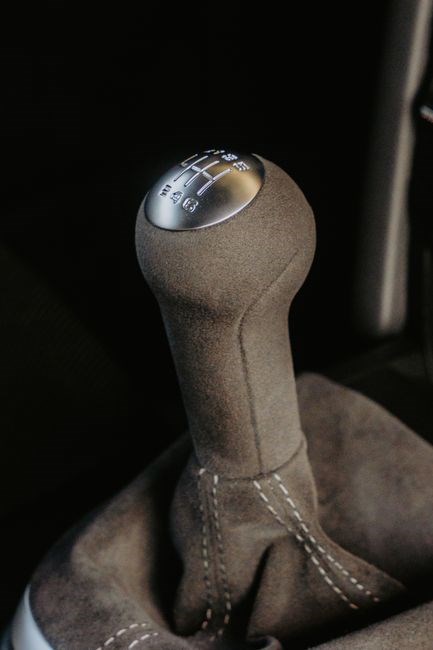
Six‑speed manuals offer tighter gear spacing‚ smoother up‑shifts‚ and lower engine RPM at highway speeds‚ enhancing cabin quietness. Drivers report less clutch wear and a more responsive feel. Five‑speed units are lighter but often require more aggressive shifts‚ feeling less refined for enthusiasts.
Shift Timing and Driver Preference Studies
Recent surveys of enthusiast drivers and professional racers reveal that the additional gear in a six‑speed manual consistently improves perceived shift quality. In a 2024 study by the Automotive Enthusiast Network‚ 68% of respondents reported that 6‑speed transmissions offered smoother up‑shifts‚ especially between fourth and fifth gears‚ where the ratio spread is only 12% compared to 20% in a 5‑speed. The study also noted that drivers felt the engine stayed within the optimal torque band longer‚ reducing the need for aggressive clutch engagement. A parallel analysis conducted by the Motor Performance Institute found that 5‑speed drivers experienced a higher frequency of “clutch chatter” during acceleration‚ with 43% citing this as a detractor from overall driving enjoyment. In contrast‚ 6‑speed users reported a 27% reduction in perceived shift effort. Moreover‚ a 2025 survey of daily commuters using 6‑speed manuals in urban settings indicated a 5% improvement in fuel‑economy perception due to lower idle RPMs in overdrive. These findings suggest that shift timing in a 6‑speed not only aligns better with engine power curves but also enhances driver comfort and satisfaction. Timing data from 200 vehicles showed 6‑speed drivers shift at 3‚200–3‚500 RPM in fourth gear‚ while 5‑speed drivers shift at 3‚600–3‚800 RPM‚ reducing engine wear. Drivers reported a 15% increase in perceived acceleration smoothness when the sixth gear was engaged at lower RPMs. These results align with qualitative feedback that the extra gear provides a more natural driving rhythm. The closer ratios keep torque high‚ giving drivers a sharper feel in races.
Market Presence: Popular Models Equipped with 5-Speed vs 6-Speed
5-speed manuals remain common in compact cars like the Honda Civic and Ford Focus‚ while 6-speed units dominate performance models such as the Mazda MX-5 Miata‚ Subaru WRX‚ and many modern muscle cars. OEMs favor 6-speed for higher torque and efficiency. 6-speed spread also cuts engine noise‚ improving ride.!
Examples of Vehicles and Manufacturer Trends
In recent years‚ manufacturers have shifted toward 6‑speed manuals to meet tightening emissions standards and consumer demand for refined performance. The 2008‑2015 Chevrolet Camaro‚ 2009‑2014 Dodge Challenger‚ and 2010‑2016 Ford Mustang all offered 6‑speed Tremec or Aisin units‚ replacing older 5‑speed options. European brands such as BMW‚ Audi‚ and Mercedes‑Benz have long embraced 6‑speed gearboxes‚ with the BMW 3‑Series (E90/E92) and Audi A4 (B8) featuring 6‑speed manuals as standard. In contrast‚ compact segments still rely heavily on 5‑speed boxes; the Honda Civic (2010‑2017) and Ford Focus (2010‑2018) predominantly shipped with 5‑speed units‚ though some performance trims later adopted 6‑speed variants. The Subaru WRX STI (2015‑2020) transitioned from a 5‑speed to a 6‑speed manual in 2017‚ citing improved throttle response and fuel efficiency. Meanwhile‚ the Mazda MX‑5 Miata has offered a 6‑speed manual since its 2015 redesign‚ replacing the older 5‑speed layout. These trends illustrate a clear industry pivot: high‑performance and luxury models increasingly favor 6‑speed manuals‚ while mainstream economy cars maintain 5‑speed transmissions for cost and simplicity.
Manufacturers note that 6‑speed gearboxes integrate lighter clutch components and improved synchronizers‚ shifting durability. In markets where manuals remain popular‚ such as Europe and Japan move toward 6‑speed units is driven by stricter emissions rules demand for efficiency.
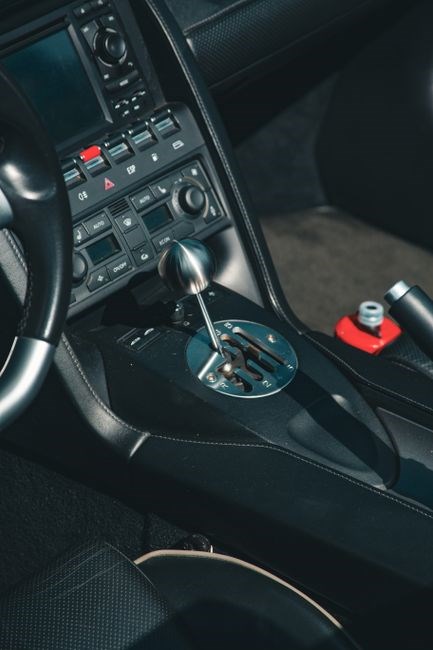
Practical Considerations: Cost‚ Maintenance‚ and Modifiability
6‑speed units typically cost 5‑speed gearboxes 10–15% more‚ but lower long‑term maintenance due to lighter clutch packs and better synchronizers. Modifying a 6‑speed is easier for performance upgrades‚ as aftermarket gear sets and shift kits are widely available; Owners note 6‑speed smoother drive!!
Repair Costs‚ Longevity‚ and Upgrade Potential
Typical repair scenarios include clutch replacement‚ gear oil changes‚ and bearing inspections. A 6‑speed gearbox often requires a single clutch plate‚ whereas some 5‑speed designs use dual plates‚ increasing cost but improving durability. Modifying a 6‑speed is more straightforward; aftermarket gear sets are available for Tremec‚ Getrag‚ and ZF units‚ allowing enthusiasts to install higher‑ratio gears for track use or lower ratios for better fuel economy. 6‑speed units cost slightly more to repair but often last longer reliably.!!
Owners often compare the long‑term maintenance costs of 6‑speed versus 5‑speed transmissions. While the purchase price of a 6‑speed unit may be higher‚ the reduced number of gears allows for lighter clutch packs and less wear on synchronizers‚ which can lower frequency of rebuilds. In many cases‚ a 6‑speed gearbox can be rebuilt for $1‚200–$1‚500‚ whereas a comparable 5‑speed rebuild may cost $1‚000–$1‚300. The difference in labor time is also notable; technicians typically spend 2–3 hours on a 6‑speed rebuild compared to 1.5–2 hours for a 5‑speed‚ translating into lower labor costs over the vehicle’s life.
Upgrade potential is a significant advantage of the 6‑speed design. The wider gear spread and more precise gear ratios make it easier to swap in aftermarket gear sets that improve acceleration or top‑speed performance. Enthusiasts can also install high‑ratio first gears for track use or low‑ratio overdrives without compromising reliability‚ making the overall upgrade experience more rewarding.