Sacroiliac (SI) Joint Exercises: A Comprehensive Guide
Discover effective strategies for managing SI joint discomfort through targeted exercises‚ promoting flexibility‚ strength‚ and pain reduction‚ as detailed in accessible guides.
Explore a range of movements‚ from gentle walks and bike rides to specific stretches and strengthening routines‚ designed to restore optimal joint function.
Learn how pelvic tilts‚ glute bridges‚ and core work can stabilize the SI joint‚ while hamstring and piriformis stretches offer crucial release and improved mobility.
Understand proper form and listen to your body’s signals‚ ensuring safe and effective exercise implementation for lasting relief and enhanced well-being.
Understanding the SI Joint & Pain
The sacroiliac (SI) joint connects the sacrum and the ilium bones of your pelvis. This crucial joint provides stability and acts as a shock absorber‚ distributing stress from the upper body to the lower extremities.
SI joint dysfunction occurs when this joint becomes inflamed or irritated‚ leading to pain in the lower back‚ buttocks‚ groin‚ and even down the legs. This pain can mimic sciatica or other conditions‚ making diagnosis challenging.
Several factors can contribute to SI joint pain‚ including trauma‚ arthritis‚ pregnancy‚ and leg length discrepancies. Improper movement patterns and muscle imbalances can also play a significant role.
Understanding the mechanics of the SI joint is key to effective treatment. Exercises targeting the surrounding muscles – glutes‚ core‚ and hamstrings – help stabilize the joint and reduce pain. Restoring proper range of motion is also vital for optimal function.
A comprehensive approach‚ including exercise and lifestyle modifications‚ can significantly improve SI joint health and quality of life.
What are SI Joint Exercises?
SI joint exercises are a series of movements designed to restore stability‚ strength‚ and flexibility to the sacroiliac joint and surrounding muscles. These exercises aim to alleviate pain and improve function by addressing underlying biomechanical imbalances.
They encompass a range of techniques‚ from gentle stretches like knee-to-chest and piriformis stretches‚ to strengthening exercises such as glute bridges and core bracing. Pelvic tilts‚ both anterior and posterior‚ are foundational for establishing neutral spinal alignment.
The goal is not simply to “fix” the joint‚ but to enhance the muscles’ ability to support and control its movement. This includes activating the multifidus‚ a deep spinal stabilizer‚ and strengthening hip abductors.
Exercises are typically performed with controlled movements and proper form‚ often repeated 10 times per set. Progression is key‚ starting with basic exercises and gradually advancing to more challenging variations like single-leg bridges.
A tailored exercise program‚ guided by a healthcare professional‚ is crucial for optimal results.
Benefits of SI Joint Exercises
Engaging in SI joint exercises offers a multitude of benefits‚ primarily focused on pain reduction and improved functional capacity. By strengthening supporting muscles‚ exercises enhance joint stability‚ minimizing irritation and discomfort during daily activities.
Increased range of motion is a significant advantage‚ as exercises like hip rotations and knee-to-chest stretches combat stiffness and promote synovial fluid circulation‚ nourishing cartilage and improving joint mobility.
Furthermore‚ these exercises contribute to better posture and biomechanics‚ reducing stress on the SI joint and preventing future issues. Core strengthening‚ in particular‚ provides a solid foundation for spinal support.
Regular exercise can also improve overall physical health‚ with activities like walking and cycling offering low-impact options to maintain fitness without exacerbating SI joint pain.
Ultimately‚ a consistent exercise routine empowers individuals to manage their condition and regain control over their movement and quality of life.

Basic Exercises for SI Joint Stabilization
Begin with foundational movements like pelvic tilts and glute bridges‚ focusing on controlled motions to engage core muscles and establish a stable pelvic base.
The bird dog exercise further enhances stability‚ promoting balanced muscle activation and improving coordination for optimal SI joint support.
Pelvic Tilts: Anterior & Posterior
Pelvic tilts are a cornerstone of SI joint stabilization‚ offering a gentle yet effective way to improve control and awareness of pelvic positioning. These exercises involve rocking the pelvis forward and backward‚ creating both anterior and posterior tilts.
To perform an anterior pelvic tilt‚ lie on your back with knees bent and feet flat on the floor. Gently tilt your pelvis upward‚ flattening your lower back against the ground. Imagine pressing your belly button towards the floor.
For a posterior pelvic tilt‚ maintain the same starting position and gently tilt your pelvis downward‚ creating a slight arch in your lower back. Tighten your abdominal muscles to help control the movement.
Repeat this sequence 10 times‚ focusing on slow‚ controlled movements. Avoid holding your breath and maintain a neutral spine throughout the exercise. These tilts help create a natural‚ neutral spine position‚ relieving pressure on the SI joint. Remember to avoid asymmetry‚ ensuring equal weight bearing on both sides.
Glute Bridges
Glute bridges are a fantastic exercise for strengthening the glutes and hamstrings‚ crucial muscles supporting the sacroiliac (SI) joint. This exercise helps improve pelvic stability and reduce stress on the joint itself.
To perform a glute bridge‚ lie on your back with knees bent and feet flat on the floor‚ hip-width apart. Keep your arms flat on either side of your body. Inhale‚ then tighten your buttocks and abdominal muscles.
Lift your hips off the ground‚ creating a straight line from your shoulders to your knees. Hold this top position for 10 breaths‚ squeezing your glutes throughout.
Slowly lower your body back to the ground‚ maintaining control throughout the movement. Repeat this exercise 10 times. Focus on engaging your core and avoiding arching your lower back excessively. Glute bridges contribute to a stronger‚ more stable pelvis‚ promoting optimal SI joint function and alleviating pain.
Bird Dog Exercise
The Bird Dog exercise is excellent for enhancing core stability and improving coordination‚ both vital for supporting the sacroiliac (SI) joint. It strengthens the muscles surrounding the spine and pelvis‚ promoting balanced movement and reducing strain on the joint.
Begin on your hands and knees‚ ensuring your hands are directly under your shoulders and your knees are under your hips. Maintain a neutral spine – avoid arching or rounding your back.
Engage your core and simultaneously extend one arm forward and the opposite leg backward‚ keeping your body in a straight line. Avoid rotating your hips or lower back.
Hold this position briefly‚ then slowly return to the starting position. Repeat on the other side. Perform 10 repetitions on each side. Focus on controlled movements and maintaining core engagement throughout the exercise. The Bird Dog helps build strength and stability‚ contributing to improved SI joint function and reduced discomfort.
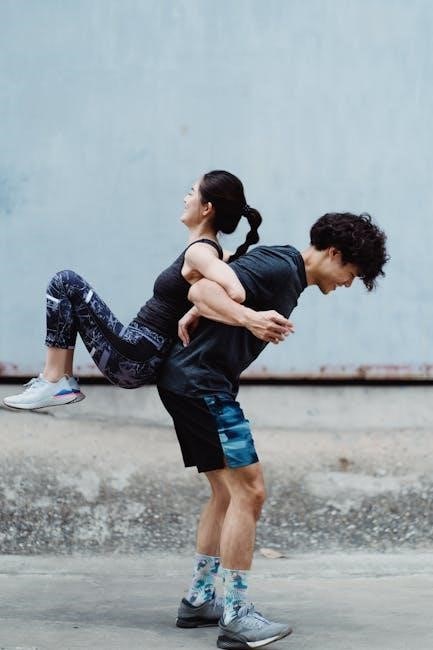
Exercises to Improve Range of Motion
Restore flexibility and reduce stiffness with gentle movements‚ enhancing synovial fluid circulation and promoting optimal joint mobility for lasting SI joint comfort.
Knee-to-Chest Stretch
The Knee-to-Chest Stretch is a foundational exercise designed to gently mobilize the sacroiliac (SI) joint and alleviate lower back tension. Begin by lying flat on your back with your knees bent and feet flat on the floor. Slowly bring one knee towards your chest‚ clasping your hands behind your thigh or over your shin to deepen the stretch.
Hold this position for 20-30 seconds‚ focusing on relaxing your lower back and hips. You should feel a gentle stretch in your lower back and potentially in your glutes. Repeat this process with the other leg‚ alternating between sides for a total of 10 repetitions on each leg.
Ensure you maintain a neutral spine throughout the exercise‚ avoiding any twisting or arching of your back. This stretch helps to improve flexibility in the hip flexors and hamstrings‚ which can contribute to SI joint dysfunction. It also promotes circulation to the area‚ aiding in healing and reducing pain. Remember to breathe deeply and consistently during the stretch.
Piriformis Stretch
The Piriformis Stretch is crucial for releasing tension in the piriformis muscle‚ which can often irritate the sciatic nerve and contribute to SI joint pain. Begin by lying on your back with your knees bent and feet flat on the floor. Cross your right ankle over your left knee‚ forming a figure-four shape.
Gently pull your left thigh towards your chest‚ either by clasping your hands behind it or over your shin. You should feel a stretch deep in your right buttock. Hold this position for 20-30 seconds‚ breathing deeply and relaxing into the stretch. Repeat on the opposite side‚ crossing your left ankle over your right knee.
Aim for 10 repetitions on each side. This stretch improves flexibility in the hips and can alleviate pressure on the SI joint. Avoid bouncing or forcing the stretch‚ and stop if you experience any sharp pain. Modifications include using a towel to assist in pulling the thigh towards the chest if needed.
Hip Rotations (Internal & External)
Hip rotations‚ both internal and external‚ are vital for restoring range of motion in the hip joint‚ directly impacting SI joint stability. Begin by lying on your back with your knees bent and feet flat. For external rotation‚ gently rotate your knees outwards‚ keeping your feet planted. Hold for a few seconds‚ then return to the starting position.
For internal rotation‚ gently rotate your knees inwards‚ again maintaining foot contact. Repeat 10-15 times on each side for both rotations. Alternatively‚ perform these rotations seated with feet flat‚ or standing with a slight bend in the knees.
Focus on controlled movements‚ avoiding any jerking or forcing. These exercises promote synovial fluid circulation‚ nourishing cartilage and improving joint mobility. Improving hip range of motion reduces stress on the SI joint‚ contributing to pain relief and improved function; Listen to your body and stop if you feel any discomfort.
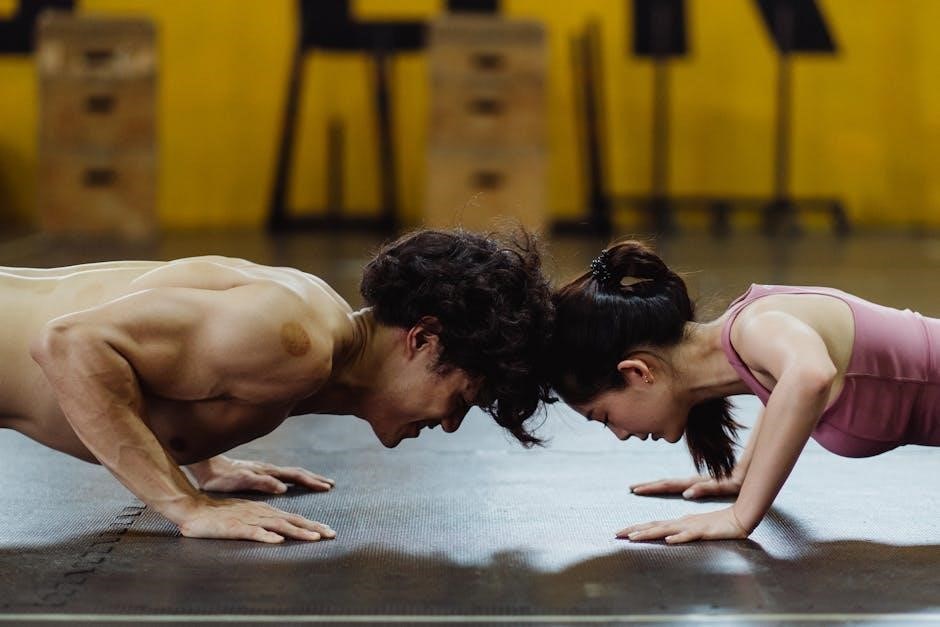
Strengthening Exercises for SI Joint Support
Build a robust foundation for your SI joint with targeted strengthening exercises‚ enhancing core stability and hip muscle function for lasting support and pain relief.
Core Strengthening: Abdominal Bracing

Abdominal bracing is a fundamental technique for SI joint stability‚ engaging deep core muscles to protect and support the lower back and pelvis. Unlike traditional crunches‚ bracing focuses on activating the transversus abdominis‚ the deepest abdominal muscle‚ without visible movement.
To perform abdominal bracing‚ imagine preparing for a gentle punch to the stomach – subtly tightening your abdominal muscles as if bracing for impact. Lay your arms flat on either side of your body and maintain normal breathing throughout the exercise.
Hold this contraction for several seconds‚ gradually increasing the duration as your strength improves. This creates a natural corset around your spine‚ minimizing stress on the SI joint.
Inhale‚ tighten your buttocks and abdomen‚ and practice incorporating bracing into daily activities like walking‚ lifting‚ and even sitting. Consistent practice will enhance core stability‚ reducing pain and improving overall functional movement.
Multifidus Strengthening
The multifidus muscle plays a crucial role in SI joint stability‚ acting as a primary stabilizer of the lumbar spine and pelvis. Strengthening this deep spinal muscle helps control movement and prevent excessive stress on the SI joint.
Effective multifidus strengthening often begins with gentle activation exercises‚ such as transverse abdominis bracing (described previously)‚ as these muscles work synergistically. Focus on maintaining a neutral spine position throughout all exercises.
Bird dog exercises are excellent for targeting the multifidus‚ requiring controlled extension and rotation while maintaining core engagement. Begin on your hands and knees‚ slowly extending one arm and the opposite leg simultaneously.

Ensure your back remains flat and avoid arching‚ focusing on controlled movement and maintaining stability. Gradually increase repetitions and challenge yourself with variations as your strength improves. Consistent multifidus strengthening is vital for long-term SI joint health.
Hip Abductor Exercises (Side Leg Raises)
Strengthening the hip abductor muscles – gluteus medius and minimus – is essential for SI joint support‚ as they control pelvic stability during single-leg stance and movement. Weakness in these muscles can lead to compensatory patterns and increased stress on the SI joint.
Side leg raises are a simple yet effective exercise to target these muscles. Lie on your side with your legs extended and stacked. Keeping your top leg straight‚ slowly lift it towards the ceiling‚ maintaining core engagement.
Avoid rotating your hip or leaning forward/backward; focus on a controlled‚ upward movement. You can add resistance using a resistance band placed around your ankles or thighs for increased challenge.
Start with 10-15 repetitions on each leg‚ gradually increasing the number of sets and resistance as your strength improves. Proper form is crucial to avoid compensating with other muscle groups and maximize effectiveness.
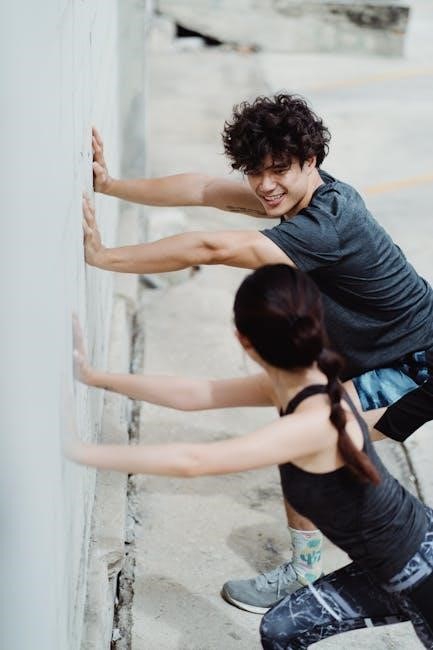
Stretches for SI Joint Release
Relieve tension and restore flexibility around the SI joint with targeted stretches‚ focusing on the hamstrings‚ iliopsoas‚ and quadratus lumborum for optimal comfort.
These stretches promote muscle relaxation and improve range of motion‚ reducing stress on the joint and alleviating pain through gentle‚ consistent practice.
Hamstring Stretches
Hamstring flexibility significantly impacts SI joint health‚ as tight hamstrings can pull on the pelvis‚ increasing stress on the joint. Regularly incorporating hamstring stretches into your routine can alleviate this tension and promote better alignment.
One effective stretch is the towel hamstring stretch: Lie on your back with one leg extended. Loop a towel around the ball of your foot and gently pull back‚ keeping your knee as straight as comfortably possible. Hold for 20-30 seconds and repeat 2-3 times on each leg.
Another option is the seated hamstring stretch: Sit on the floor with your legs extended straight out in front of you. Reach towards your toes‚ keeping your back as straight as possible. Avoid rounding your back‚ and only stretch to the point of comfortable tension.
Remember to breathe deeply throughout each stretch‚ and avoid bouncing or forcing the movement. Consistent‚ gentle stretching is key to improving hamstring flexibility and supporting SI joint health.
Iliopsoas Stretch
The iliopsoas muscle‚ connecting the lumbar spine to the femur‚ profoundly influences pelvic alignment and SI joint stability. When tight‚ it can contribute to anterior pelvic tilt and SI joint dysfunction‚ causing pain and discomfort. Regularly stretching this muscle is crucial for restoring proper biomechanics.
A common and effective stretch is the kneeling hip flexor stretch: Kneel on one knee with the other foot flat on the floor in front of you‚ forming a 90-degree angle. Gently lean forward‚ keeping your back straight‚ until you feel a stretch in the front of your hip.
To deepen the stretch‚ slightly tuck your tailbone under and engage your core. Hold the stretch for 20-30 seconds‚ repeating 2-3 times on each side. Avoid arching your lower back.
Consistent iliopsoas stretching can help release tension‚ improve pelvic alignment‚ and reduce stress on the SI joint‚ contributing to overall pain relief and improved function.
Quadratus Lumborum Stretch
The quadratus lumborum (QL) is a deep abdominal muscle extending from the lumbar spine to the pelvis and 12th rib. Tightness in the QL can significantly impact SI joint mechanics‚ contributing to pain and restricted movement. Targeting this muscle with specific stretches is vital for restoring optimal function.
A simple yet effective QL stretch is the side bend stretch: Sit comfortably with your knees bent and feet flat on the floor. Reach one arm overhead and gently bend towards the opposite side‚ keeping your hips stable.
You should feel a stretch along the side of your torso. To intensify the stretch‚ gently pull your hip towards the bent side with the opposite hand. Hold for 20-30 seconds‚ repeating 2-3 times on each side.
Regular QL stretching can alleviate muscle tension‚ improve spinal mobility‚ and reduce stress on the SI joint‚ promoting pain relief and enhanced flexibility.
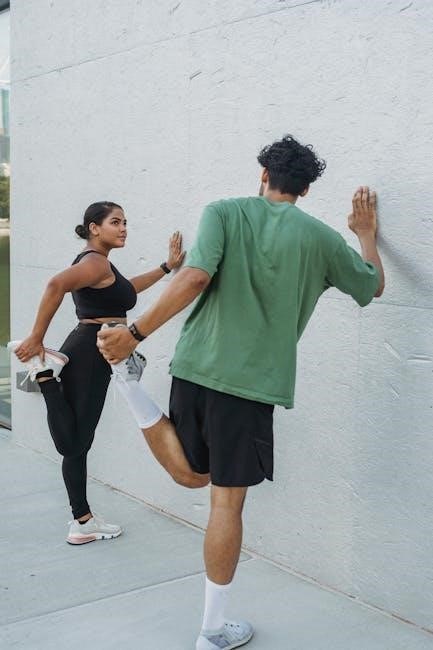
Advanced SI Joint Exercises (with caution)
Progress cautiously with single leg bridges‚ hip abduction with bands‚ and dead bugs‚ ensuring proper form to challenge stability and strengthen supporting muscles effectively.
Single Leg Bridges
Single leg bridges are an excellent progression from traditional glute bridges‚ significantly increasing the demand on the core and pelvic stabilizers‚ including the muscles surrounding the SI joint. To perform this exercise‚ begin by lying on your back with your knees bent and feet flat on the floor.
Lift one leg towards the ceiling‚ maintaining a neutral spine and engaged core. Inhale‚ tighten your glutes and abdominal muscles‚ and lift your hips off the ground‚ creating a straight line from your shoulders to your knee on the supporting leg.
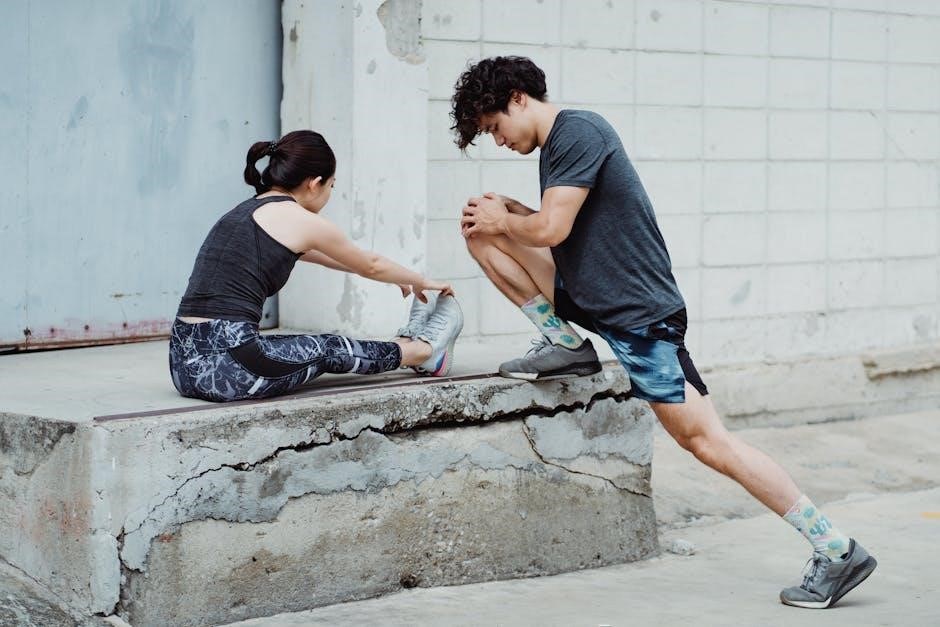
Hold this position for a few breaths‚ focusing on maintaining pelvic stability and avoiding any rotation or tilting. Slowly lower your hips back to the starting position. Repeat the exercise 10 times on each leg.
Remember to maintain proper form throughout the exercise‚ avoiding arching your back or allowing your hips to drop unevenly. This exercise is best approached after mastering the standard glute bridge‚ and with caution if experiencing significant pain.
Standing Hip Abduction with Resistance Band
This exercise effectively targets the hip abductor muscles‚ crucial for stabilizing the pelvis and supporting the SI joint. Begin by securing a resistance band around your ankles‚ ensuring it’s snug but not overly tight. Stand with your feet hip-width apart‚ maintaining a slight bend in your knees and a neutral spine.
Keeping your core engaged and your body upright‚ slowly lift one leg out to the side‚ against the resistance of the band. Focus on initiating the movement from your hip‚ avoiding any forward or backward motion.
Control the movement as you slowly return your leg to the starting position. Repeat this exercise 10-15 times on each leg. As you gain strength‚ you can increase the resistance by using a heavier band.
Pay close attention to your form‚ preventing any leaning or twisting of your torso. This exercise helps strengthen the muscles responsible for maintaining pelvic alignment‚ reducing stress on the SI joint.
Dead Bug Exercise
The Dead Bug is a fantastic core stabilization exercise that indirectly supports the SI joint by enhancing abdominal and lower back muscle control. Begin by lying on your back with your knees bent at a 90-degree angle and your arms extended towards the ceiling.
Engage your core‚ pressing your lower back firmly into the floor. Slowly lower one arm overhead and simultaneously extend the opposite leg straight out‚ maintaining contact between your lower back and the floor throughout the movement.
Pause briefly‚ then return to the starting position and repeat on the other side. Aim for 10-15 repetitions per side‚ focusing on slow‚ controlled movements.
Avoid arching your back or allowing it to lift off the floor. This exercise strengthens the deep core muscles‚ promoting stability and reducing strain on the sacroiliac joint‚ contributing to overall pelvic control.
Important Considerations & Precautions
Prioritize proper form and technique during each exercise‚ avoiding asymmetry and listening intently to your body’s signals for pain or discomfort.
Consult a healthcare professional before starting any new exercise program‚ especially if you have pre-existing conditions or experience increasing pain.
Proper Form & Technique
Maintaining correct form is paramount when performing SI joint exercises to maximize benefits and prevent further injury. Focus on controlled movements‚ avoiding any sudden or jerky motions that could exacerbate pain. Engage your core muscles throughout each exercise to provide stability and support to the pelvis and lower back.
During pelvic tilts‚ ensure a neutral spine position‚ avoiding excessive arching or rounding of the back. When performing glute bridges‚ keep your shoulders grounded and focus on squeezing your glutes at the top of the movement. For the bird dog exercise‚ maintain a straight line from head to heel‚ preventing rotation of the hips or lower back.
Pay close attention to weight distribution‚ avoiding positions that cause increased weight-bearing on one side. If you’re unsure about proper form‚ consider working with a physical therapist or qualified healthcare professional who can provide personalized guidance and feedback. Remember‚ quality over quantity – performing fewer repetitions with correct form is more effective than rushing through many with poor technique.
Listening to Your Body & Pain Levels
Paying attention to your body’s signals is crucial throughout your SI joint exercise program. A mild stretching sensation is normal‚ but sharp‚ stabbing‚ or radiating pain is a sign to stop immediately. Don’t push through pain‚ as this can worsen inflammation and potentially cause further damage to the joint.
Start slowly and gradually increase the intensity and duration of your exercises as your pain subsides and your strength improves. Be mindful of fatigue; if you feel overly tired‚ rest and avoid overexertion. Modify exercises as needed to accommodate your individual limitations and pain levels.
Some days may be better than others‚ and it’s okay to adjust your routine accordingly. If your pain consistently increases despite following proper form and technique‚ consult with a healthcare professional. Remember‚ consistency is key‚ but prioritizing your body’s well-being is even more important for long-term success.
When to Consult a Healthcare Professional
Seeking professional guidance is essential if your SI joint pain is severe‚ persistent‚ or doesn’t improve with self-management strategies. Consult a doctor‚ physical therapist‚ or chiropractor if you experience sudden‚ intense pain‚ or if pain radiates down your legs. Don’t hesitate to seek help if you notice any numbness‚ tingling‚ or weakness in your lower extremities.
A healthcare professional can accurately diagnose the cause of your pain and rule out other potential conditions. They can also develop a personalized exercise program tailored to your specific needs and limitations. They can assess your form and technique to ensure you’re performing exercises correctly and safely.
If you have underlying medical conditions‚ such as arthritis or osteoporosis‚ it’s particularly important to consult a healthcare professional before starting any new exercise program. They can provide guidance on appropriate exercises and modifications to avoid exacerbating your condition‚ ensuring a safe and effective recovery.